
On October 24th, 2023, a collective force of 33 states filed a lawsuit against Meta, the parent company of social media platforms Facebook, Instagram, and WhatsApp. The suit, filed in California district court, alleged that Meta had used advertising tailored towards children, which made them addicted to its services, while its failure to properly regulate its platforms created a dangerous and harmful environment for them. The lawsuit against Meta Platforms is of utmost importance to the SPRING Group. As an organization exclusively composed of students who are young adults, the members of the Group are in the age cohort that Meta has directly tailored its deceptive advertising towards. On top of our knowledge regarding the addictive effects of social media, such as Meta’s Facebook and Instagram, on younger children, SPRING fellows also have personal experiences with living childhoods defined by the constant usage of social networks. As part of its goal of highlighting youth viewpoints on issues of concern to them, SPRING seeks to bring the unique perspective of high school students into the states’ action against Meta. This brief analyzes the specific causes of action in the lawsuit, specifically Meta’s youth-tailored advertising, their negligence and misrepresentation to the public, as well as their harms on the physical and mental safety of younger users. It then delves into the validity of the lawsuit, how it is likely to be ruled upon, and what courts have done or will likely do with it.
Jake Zeng
Senior Vice President of Recruitment and Program Director of SPRING Law
N/A
N/A, N/A
All Publications
The solitary confinement of juvenile delinquents is a widespread practice across America’s 50 states. Under specific circumstances, law enforcement is permitted to keep these individuals isolated by themselves in separate sections of the facility. The specific conditions of youth solitary confinement and the requirements necessary for it to be used differ across each American state. Some use it in many circumstances, others never at all. The range of hours spent in solitary confinement ranges from as low as 0, in states that do not implement the practice for juveniles, to as high as over 101. This report outlines the details of when youth solitary confinement is used, the quality of that youth solitary confinement when it is used, and any notable reports or statistics coming out of each state. A graphic representation of the amount of hours each state allows will be included to visualize the national differences in use of the practice.
In the past three years, the number of deaths caused by fentanyl overdoses has skyrocketed. The drug is 100 times more potent than morphine and just 2 milligrams of fentanyl, equal to 10 to 15 grains of table salt, is considered a lethal dose. Illegally manufactured fentanyl is found in heroin, cocaine, methamphetamine, and in counterfeit pills. Teenagers are the center of this epidemic. They consume common drugs, unknowing that it might contain traces of fentanyl and that those traces are enough to be fatal. It is imperative that action is taken at every level to combat the epidemic and protect those that are most vulnerable. In this brief, we cover the basic mechanisms of how fentanyl functions, how it affects the human body, how it is propagated throughout society, who is most at risk of fentanyl poisoning, and how it might fall into those groups’ hands. We stand in support of The Nyl Project’s attention on the surge in fentanyl-related deaths in the United States of America, believing that more is needed to involve NGOs, educate susceptible populations, and prevent overdoses to end the epidemic once and for all. Now more than ever, schools, governments, and NGOs need to step up and take action.
An alarming number of households have unreliable access or none at all to an Internet connection and the technology needed to attain digital education. Over 9 million students14—around 12% of the total student population15—lack access to the Internet entirely. 1 in 4 students have unreliable Internet networks. This also extends to teachers, as around 400,000 lack access to digital education.16 ...
The American healthcare system has for decades been exclusionary and inaccessible, as private plans charge exorbitant premiums that risk the lives of those unable to pay them. Millions of Americans remain uninsured, either unable to cover medical expenses or forced to pay burdensome fees out of their own pockets. Hospitals are forced to provide care for those unable to pay them back, resulting in devastating financial losses. At the same time, the lack of competition among private health insurers have allowed them to continue charging excessive prices wi...
As the implementation of Juvenile Detention as a mechanism to hold youth accountable has been growing, so has the profound negative impacts it has on these teenagers. Studies have found that teens often experience severe mental health conditions during and after their sentence in Juvenile Detention including anxiety, depression, and suicidal ideation. The isolation in Juvenile Detention often causes psychological and behavioral issues, including aggressive and disruptive behaviors within kids. Despite several attempts at reform on a federal and state lev...
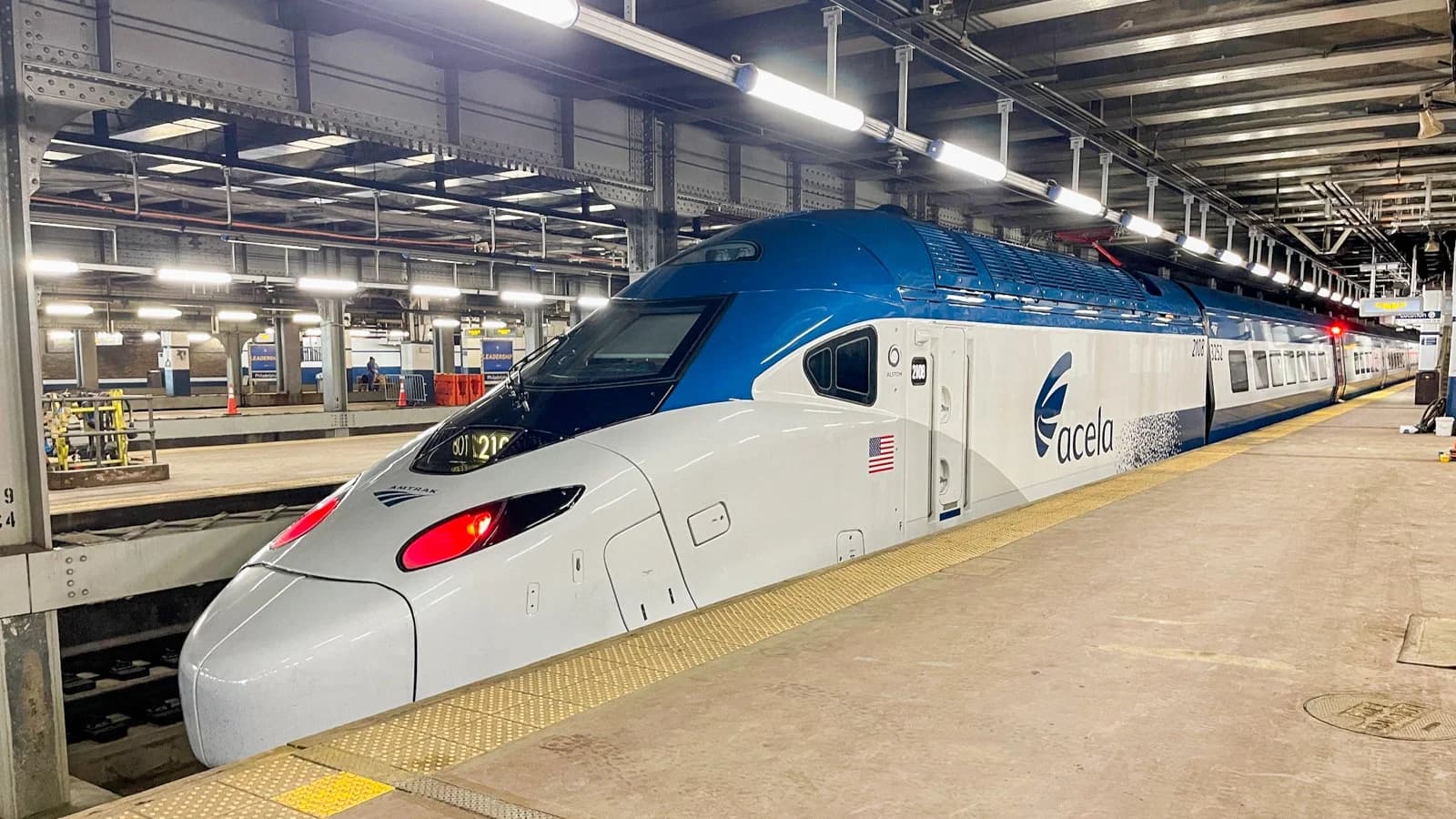
High-speed rail has the potential to revitalize the decaying American passenger rail system and public transit infrastructure at large. However, while other countries have far surpassed America's HSR network, ongoing projects in America face delayed construction, rising costs, legal challenges, and poor support infrastructure. Despite these challenges, HSR still has the potential to revolutionize American transit and revitalize the American economy, offering an alternative to car and air travel, reducing carbon emissions, and connecting vast cities and regions. Support for improved infrastructure enjoys bipartisan support, and the growing political sway of the younger generation is increasingly advocating for improved rail transit. However, actions are needed by the Federal government and state legislatures to allow for these HSR projects to succeed. We analyze the involvement of stakeholders through the development of HSR, their incentive structures and influence, and propose actions that can be taken by governments on the state and federal levels to encourage the growth and development of a national HSR project.