

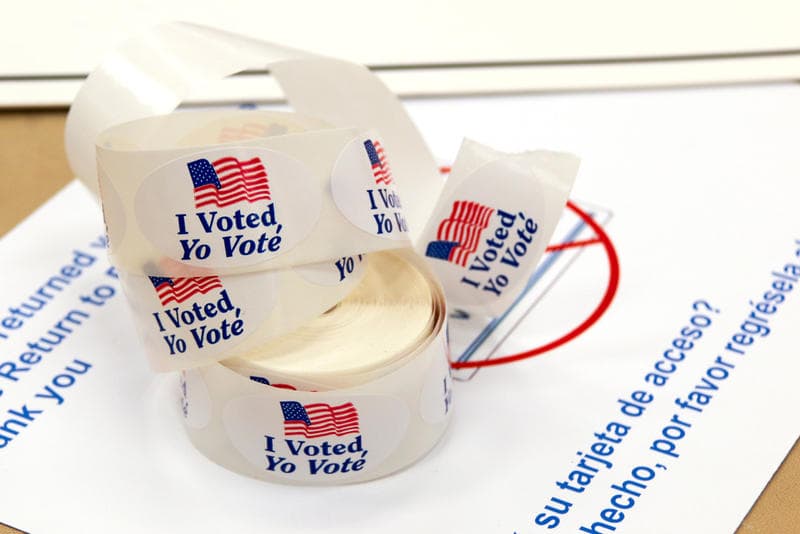
INFO REPORT: The John Lewis Voting Rights Advancement Act (JLVRAA)
The John Lewis Voting Rights Advancement Act seeks to restore and modernize the core protections of the 1965 Voting Rights Act by reinstating federal preclearance for jurisdictions with recent histories of voting discrimination. By updating coverage formulas, strengthening safeguards against vote dilution and denial, and using retrogression as a standard, the bill aims to prevent discriminatory laws before they take effect. It responds directly to the harmful impacts of the Shelby County v. Holder decision, which triggered widespread poll closures, voter purges, and restrictive ID laws. While the bill offers strong oversight and transparency mechanisms, its effectiveness depends on adequate resources for enforcement and careful management of federal authority.
June 1, 2025